
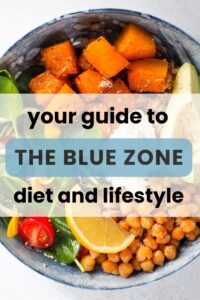
Your Guide the Blue Zone Diet and Lifestyle
Blue Zones are unique regions around the world where people live significantly longer and healthier lives. These areas are home to some of the oldest and healthiest individuals on the planet, often living to 100 years or more. What makes these regions particularly fascinating is that the longevity of their residents isn’t just a matter of genetics but is largely driven by certain lifestyle habits that promote both physical and mental well-being. Read on for what you need to know about the Blue Zone diet and lifestyle.
As someone who lives near a Blue Zone (Loma Linda, CA), I can personally attest that this city truly does stand out as a community of healthy people amongst communities that are not so healthy. I have worked in the medical center, my kids’ school competes against their biggest private school, and I have shopped at their cornerstone health store (Clark’s) – they are truly a community of people who prioritize their health.
What are Blue Zones?
The concept of Blue Zones was first introduced by Dan Buettner, a National Geographic Fellow, and his team of researchers. Their mission was to study the habits of the longest-living people in the world and uncover the secrets of their extraordinary longevity. Through demographic research and on-the-ground studies, the team identified five key Blue Zones:
- Okinawa, Japan: Okinawan women, in particular, live longer than any other women globally. Their plant-based diet, which is rich in sweet potatoes, tofu, and a variety of vegetables, along with a strong sense of purpose (“ikigai”) and close-knit social circles, contributes to their health and longevity.
- Sardinia, Italy: Sardinian men have some of the highest life expectancies in the world. Their Mediterranean diet of whole grains, vegetables, and healthy fats like olive oil, combined with daily physical activity such as walking and tending to the land, plays a key role in their long lives.
- Ikaria, Greece: Ikarians enjoy one of the longest lifespans globally. Their diet, which includes vegetables, beans, and olive oil, is complemented by a relaxed lifestyle, daily naps, and low levels of stress, contributing to their good health in old age.
- Nicoya Peninsula, Costa Rica: The Nicoyans benefit from a nutrient-rich diet of beans, corn, and tropical fruits, along with strong family ties, a sense of purpose, and physical activity that continues into old age.
- Loma Linda, California, USA: The Seventh-day Adventists in Loma Linda live around 10 years longer than the average American. Their faith encourages a plant-based diet, regular exercise, strong family and community bonds, and abstention from alcohol and tobacco.
The Power 9 Lifestyle Habits
The people living in Blue Zones share nine lifestyle habits, known as the “Power 9,” that help them achieve longevity and maintain good health well into their senior years. These habits are simple and sustainable, which makes them applicable to anyone, regardless of where they live.
- Move naturally: Incorporate natural movement throughout the day, such as walking, gardening, or doing household chores, rather than relying on structured exercise routines.
- Purpose: Having a reason to get up every morning (a strong sense of purpose or “ikigai”) is essential for longevity. This could be a personal goal, family ties, or a community role.
- Downshift: Stress management is crucial. People in Blue Zones prioritize relaxation and incorporate calming practices, such as meditation, prayer, or simply taking time to unwind.
- Belong: Strong social connections and a sense of community are vital. Maintaining close relationships with family and friends provides emotional support and a sense of security.
- Rest: Prioritize sleep and relaxation. In Blue Zones, rest is seen as an essential part of overall health, with naps and consistent sleep routines being common practices.
- Eat mostly plants: Diets in Blue Zones are primarily plant-based, with an emphasis on vegetables, fruits, legumes, and whole grains. Animal products, like meat and dairy, are consumed sparingly and often in small portions.
- 80% rule: Known as Hara Hachi Bu in Okinawa, this rule encourages people to stop eating when they feel 80% full, which helps prevent overeating and promotes digestion.
- Wine at 5: Moderate alcohol consumption, particularly wine, is common in Blue Zones, but it is typically enjoyed in small quantities with friends or family, making it a social activity rather than a solitary indulgence.
- Right tribe: Surrounding oneself with positive, supportive people is crucial for emotional well-being. In Blue Zones, people tend to associate with others who share similar values and lifestyle habits.
Core Dietary Patterns of Blue Zones
The diet in Blue Zones is largely plant-based and focuses on whole, unprocessed foods. People in these regions consume a lot of vegetables, fruits, legumes, whole grains, and healthy fats, while limiting animal products and processed foods.
- Legumes as the cornerstone: Beans, peas, and lentils are a major staple in Blue Zone diets. These plant-based proteins provide fiber, iron, folate, and essential nutrients that contribute to heart health, weight management, and digestion.
- Whole grains and root vegetables: Foods like quinoa, oats, barley, sweet potatoes, and other root vegetables are common in Blue Zone diets. These foods are rich in complex carbohydrates, fiber, vitamins, and minerals that provide energy and support digestive health.
- Healthy fats: Olive oil, nuts, and seeds are key sources of healthy fats in Blue Zone diets. Olive oil, in particular, is rich in monounsaturated fats, which promote heart health and reduce inflammation. These fats are also important for brain function and the absorption of fat-soluble vitamins like A, D, E, and K.
- Limited animal products: While animal products are consumed in small quantities, they are not the focus of meals. Meat is often enjoyed only a few times per month, and when it is consumed, it is typically in small portions or as a flavoring in dishes.
- Mindful eating: The 80% rule, practiced in Okinawa, emphasizes eating only until you are 80% full. This prevents overeating and helps the body send signals to the brain that it has had enough food, contributing to better digestion and overall well-being.
Beverages for Longevity
Beverages in Blue Zones are simple and natural, focusing on hydration and promoting overall health. The most common drinks include:
- Water: The most essential and widely consumed beverage. Staying hydrated is crucial for maintaining health and supporting digestion.
- Coffee and tea: Both are rich in antioxidants and have been shown to reduce the risk of chronic diseases. Moderate coffee consumption can improve mental alertness and lower the risk of Parkinson’s disease, while tea—especially green and herbal teas—supports heart health and boosts the immune system.
- Red wine: In moderation, red wine is a common beverage in regions like Sardinia and Ikaria. Red wine contains antioxidants, such as resveratrol, which is linked to heart health. However, it is important to drink it in moderation—typically 1-2 glasses a day.
- Avoid sugary drinks: Blue Zones residents avoid sugary beverages like sodas, energy drinks, and sweetened juices. These drinks contribute to obesity, diabetes, and heart disease, whereas the simple, natural beverages in Blue Zones help maintain balanced blood sugar levels.
Adopting Blue Zone Habits for a Healthier Life
Incorporating Blue Zone habits into your daily life can significantly improve your health, happiness, and longevity. Here are a few simple changes to get started:
- Dietary shifts: Add more plant-based foods to your meals. Include a variety of vegetables, fruits, legumes, and whole grains. Swap meat for plant-based proteins, and limit your intake of animal products.
- Daily movement: Walk more, engage in light physical activity like gardening or household chores, and take regular breaks from sitting.
- Stress management: Practice deep breathing, meditation, or mindfulness to reduce stress and improve mental clarity.
- Social connections: Spend time with family and friends, and build a strong sense of community to enhance your emotional well-being.
- Prioritize rest: Stick to a consistent sleep schedule, create a relaxing bedtime routine, and take short naps to improve your overall health and energy levels.
Adopting Blue Zone habits doesn’t require major lifestyle changes—it’s about making small, sustainable shifts that enhance your daily life. By eating more plant-based foods, moving naturally, fostering meaningful relationships, managing stress, and prioritizing rest, you can create a lifestyle that supports long-term health and happiness.
Start by picking one or two habits to focus on, and gradually build from there. These simple, everyday actions can help you feel better, live longer, and enjoy a more fulfilling life.
For 4 delicious Blue Zone recipes, click the link below to download your free PDF recipe cards!
Check out some of my other content that you may enjoy:
Natural Electrolyte Drink Recipes
Essential Supplements for a Healthy Lifestyle
Easy Make Ahead Smoothie Recipes