
Glutathione is often called the “master antioxidant.” It plays a critical role in protecting your cells, regulating inflammation, and supporting your immune system.
Many people begin taking glutathione supplements to support detoxification, improve energy, or help their body recover from chronic inflammation. But what actually happens inside your body when glutathione levels increase?
Let’s break it down in simple terms.

What Is Glutathione?
Glutathione is a powerful antioxidant that your body naturally produces. Most of it is made in the liver, but every cell in your body uses it.
Its primary job is to protect your cells from damage caused by oxidative stress.
Oxidative stress occurs when unstable molecules called free radicals build up in the body and start damaging tissues, cells, and DNA.
Glutathione works as part of a powerful antioxidant system that includes:
-
Vitamin C
-
Vitamin E
-
Glutathione
Together, these compounds form a recycling antioxidant network that helps neutralize harmful molecules before they cause damage.
In simple terms:
-
Free radicals create damage
-
Antioxidants neutralize them
-
Glutathione helps keep the system running smoothly
How Glutathione Protects Your Cells
Every day your body produces reactive oxygen species (ROS), also called free radicals, through normal metabolism, environmental toxins, stress, and infections.
Glutathione helps protect you by:
-
Neutralizing free radicals
-
Reducing oxidative stress
-
Repairing damaged cells
-
Supporting detoxification pathways
It does this by donating electrons to unstable molecules, effectively disarming them before they harm your cells.
When glutathione levels are healthy, your body can manage oxidative stress much more effectively.
What Happens When Glutathione Levels Are Low
When glutathione levels drop, oxidative stress increases.
This often leads to higher levels of inflammation throughout the body.
Chronic inflammation can contribute to many problems, including:
-
Damage to blood vessel walls
-
Increased oxidation of cholesterol
-
Poor cellular function
-
Dysregulated immune responses
Over time, low glutathione levels may also contribute to:
-
Fatigue
-
Slower recovery from illness
-
Increased susceptibility to infections
-
Difficulty healing from chronic conditions
Because glutathione is involved in so many biological processes, even small deficiencies can affect multiple systems in the body.
What Happens When You Start Increasing Glutathione
When you begin supporting your glutathione levels – either through supplements or lifestyle changes—the body begins to restore physiological balance.
This usually happens gradually.
Common biological changes include:
Reduced Inflammation
As glutathione neutralizes more free radicals, inflammatory signals in the body begin to decrease.
This can lead to improvements in:
-
Joint discomfort
-
General body aches
-
Immune overactivation
-
Chronic inflammatory symptoms
Improved Cellular Function
Healthier antioxidant levels allow cells to function more efficiently.
This can support:
-
Better energy production
-
Improved detoxification
-
More stable metabolic processes
Stronger Immune Regulation
Glutathione plays a key role in immune balance.
Instead of the immune system being overly aggressive or suppressed, glutathione helps regulate immune responses so they work appropriately.
Effects in the Brain
Glutathione is especially important for brain health.
Inflammation in the brain often does not feel like physical pain. Instead, it can affect mental and emotional states.
Low glutathione levels may contribute to symptoms such as:
-
Difficulty sleeping
-
Increased anxiety
-
Low mood
-
Brain fog
-
Difficulty concentrating
Research has also explored the role of oxidative stress in neurological and neurodevelopmental conditions.
By helping control inflammation and oxidative stress, glutathione may help restore healthier brain chemistry over time.
How Quickly Do People Notice Changes?
The effects of glutathione supplementation vary widely.
Some people notice improvements relatively quickly, while others experience gradual changes over several weeks.
Several factors influence how quickly benefits appear:
Overall Health Status
People who are relatively healthy may notice changes faster.
Those dealing with chronic illness or long-term inflammation may require more time for the body to rebalance.
Nutrient Status
Glutathione relies on several supporting nutrients to function properly.
Important co-factors include:
-
Vitamin C
-
Vitamin E
-
Selenium
-
B vitamins
Vitamin C is especially important because it helps recycle glutathione so it can continue working repeatedly.
Since vitamin C is water-soluble and not stored well in the body, it must be replenished regularly through diet or supplementation.
Depth of Oxidative Stress
Think of inflammation and oxidative stress like a well that needs to be filled.
If the body has experienced years of inflammation, toxin exposure, illness, or stress, it may take longer to restore balance.
In these cases, improvements often happen gradually rather than immediately.
Why Liposomal Glutathione Is Often Recommended
Not all glutathione supplements are absorbed equally.
Traditional glutathione capsules may break down in the digestive system before they can be used effectively.
Liposomal glutathione is designed to improve absorption.
Liposomal technology surrounds glutathione molecules with a lipid (fat) layer, which helps protect the compound as it passes through digestion and improves delivery into the bloodstream.
This form is often recommended when someone wants to:
-
Support detoxification
-
Improve antioxidant capacity
-
Restore depleted glutathione levels
If you are looking for a quality Glutathione supplement, this is the one I recommend:
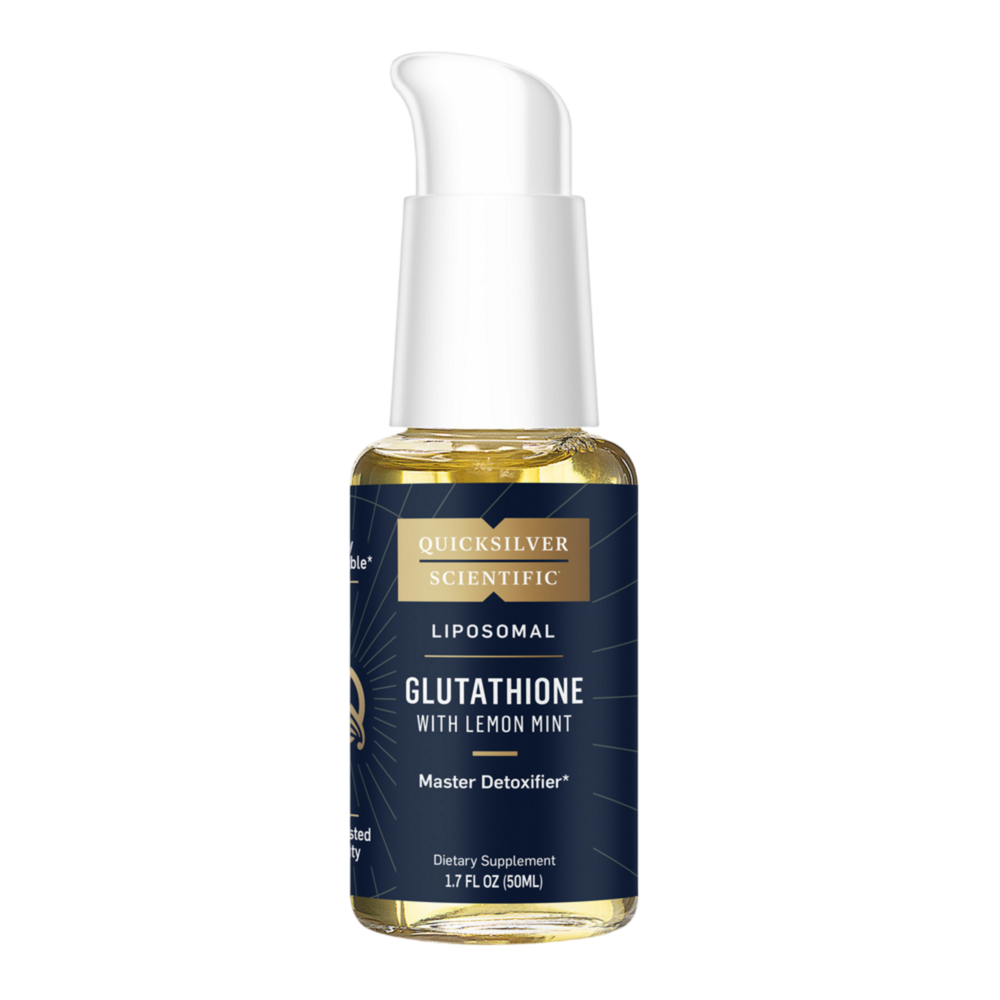
👉 [Click here to join my Fullscript Dispensary and get 25% off this and all other supplements]
Boost Your Glutathione Levels with Targeted Support
If you’re looking to raise your glutathione levels more effectively, subcutaneous (sub-Q) glutathione injections offer a powerful middle ground between convenience and results. Unlike oral supplements – which can be broken down during digestion and may have limited absorption – sub-Q injections deliver glutathione just beneath the skin, allowing it to be steadily absorbed into the bloodstream. This bypasses much of the digestive loss and leads to higher bioavailability, so your cells can actually use what you’re taking. Many people prefer this method for consistent support with detoxification, skin health, immune function, and reducing oxidative stress – all from the comfort of home. If you’d like to explore a high-quality option, you can learn more or purchase subcutaneous glutathione here.
Supporting Your Body’s Natural Glutathione Production
In addition to supplementation, several lifestyle factors help support natural glutathione production.
Helpful strategies include:
-
Eating sulfur-rich foods (garlic, onions, cruciferous vegetables)
-
Getting enough protein
-
Managing stress
-
Exercising regularly
-
Supporting vitamin C intake
-
Avoiding excessive toxin exposure
These habits help your body produce and recycle glutathione more efficiently.
The Bottom Line
Glutathione plays a central role in protecting your body from oxidative stress and inflammation.
When levels are supported, many important systems can begin functioning more efficiently, including:
-
Detoxification pathways
-
Immune regulation
-
Brain health
-
Cellular repair
However, the timeline for noticeable improvements can vary depending on your health status, nutrient levels, and the amount of inflammation present in the body.
Supporting glutathione – along with its key cofactor nutrients – can be an important step toward restoring long-term physiological balance.
Medical Disclaimer
The information provided in this article is for educational purposes only and is not intended as medical advice. It should not be used to diagnose, treat, cure, or prevent any disease. Always consult with a qualified healthcare professional before beginning any new supplement, treatment, or health program, especially if you have a medical condition, are pregnant or nursing, or are taking medications.